
//evt/batteries
Editorial
Ford’s Jim Farley doubles down on the CATL battery deal: “That’s our factory”
In a new interview, the Ford CEO calls licensing LFP technology from the Chinese battery maker “a good solution” — after the DOT secretary wrote to him expressing “profound concern”.
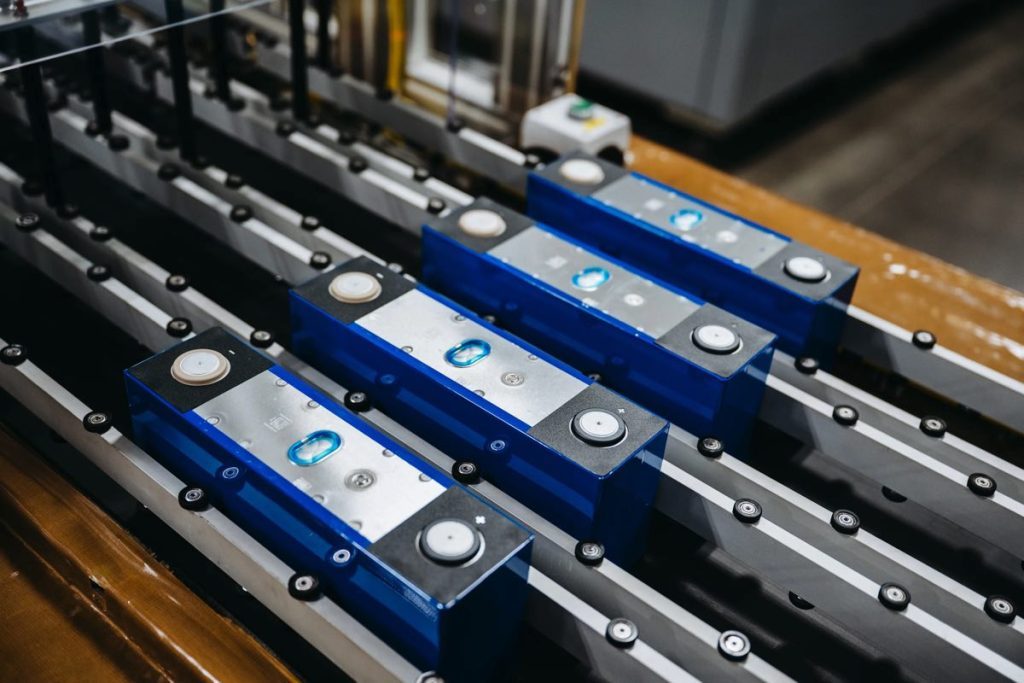
Ford CEO Jim Farley has defended the automaker’s decision to license lithium iron-phosphate (LFP) battery technology from China-based CATL, in an interview published in early October 2026. Ever since Ford announced the licensing deal, it has faced criticism from lawmakers concerned about the national security implications of technology licensed from the world’s largest battery maker. Ford has countered that it is only licensing the technology — and that it will not use any China-sourced raw materials in those LFP units.

We’re going to partner with the Chinese and we’re going to compete with them. Both can be totally fine, they are not mutually exclusive.Jim Farley, CEO of Ford, in an interview with the Detroit Free Press
Addressing the BlueOval Battery Park in Michigan, where the LFP batteries will be built, Farley said: “That’s our factory.” He added: “It’s American jobs. We’re learning. We’re working with them. We’re solving problems together. It’s better than importing batteries.”
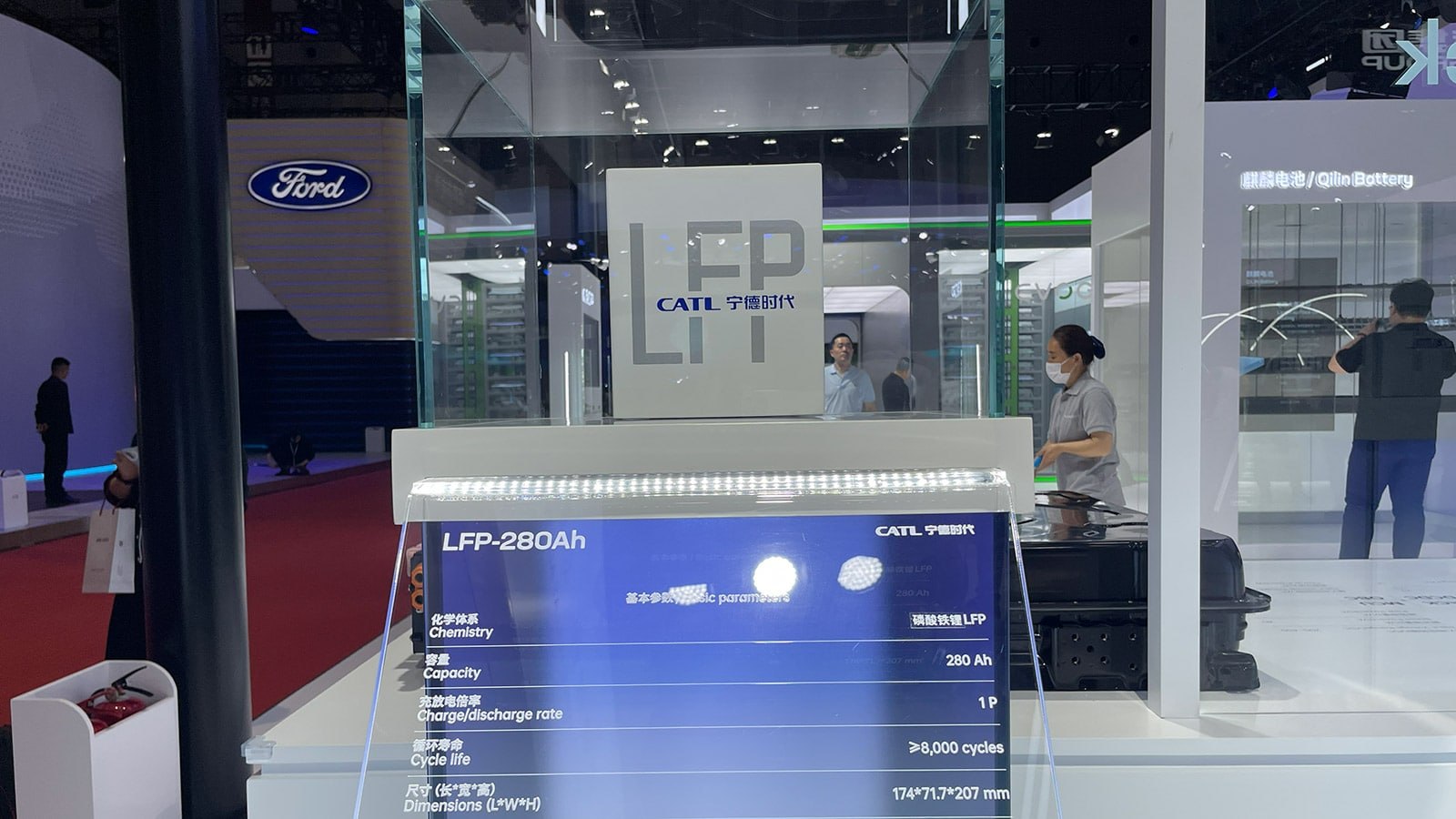
The interview follows a letter from U.S. Transportation Secretary Sean Duffy to Farley, made public in early September, in which Duffy expressed “profound concern” about Ford’s strategic trajectory — including its licensed CATL technology at the operational BlueOval Battery Park facility in Marshall, Michigan. Ford characterized the letter as “a wrongheaded attempt to capture headlines,” noting the plant is owned, controlled and staffed by Ford.
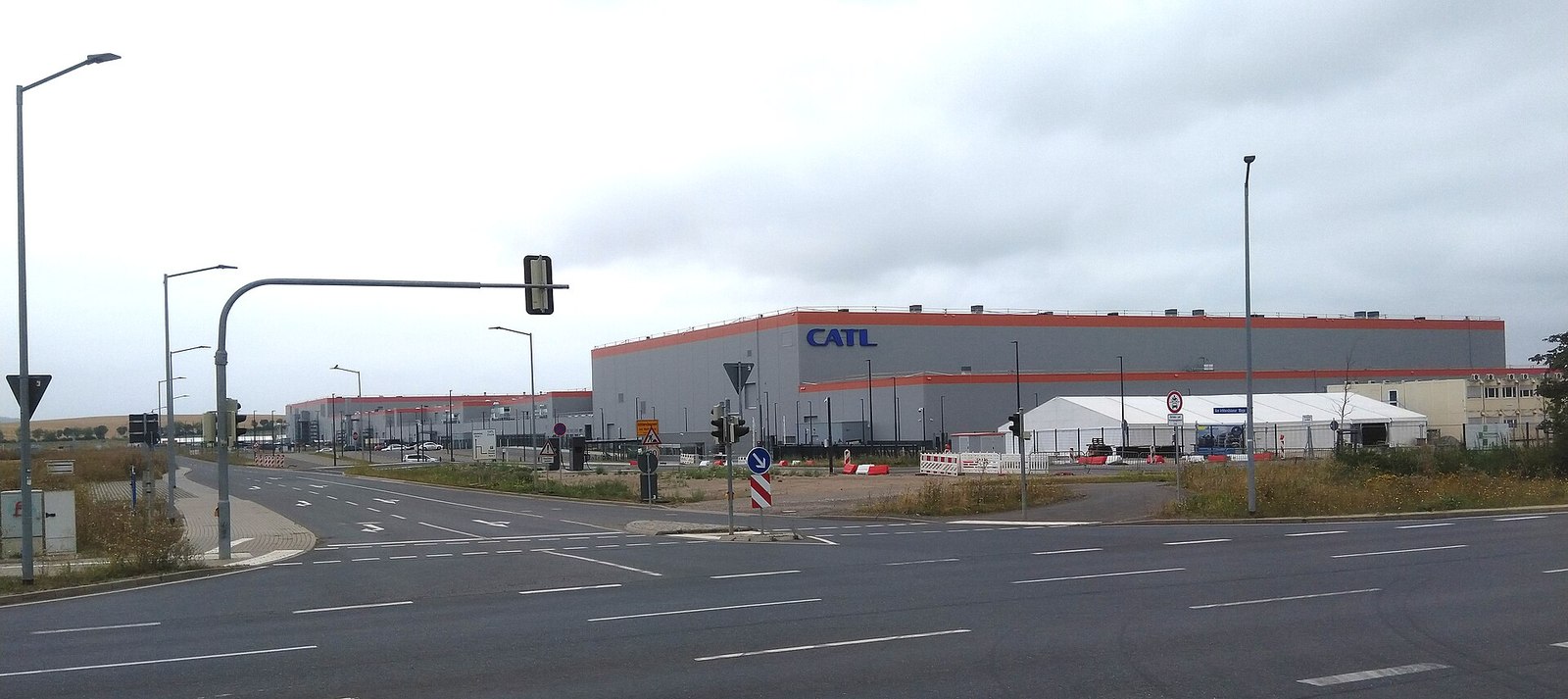
The context: Ford announced in February 2023 that it would invest $3.5 billion in the Michigan battery plant, wholly owned by Ford, to manufacture LFP cells — with the first battery cells produced at the plant expected to ship by the end of 2026. The LFP prismatic batteries will power Ford’s upcoming midsize electric truck called Fathom, the first vehicle on Ford’s Universal EV Platform, due to market in 2027.